The Complete Guide for Professionals, Researchers, and Entrepreneurs
Introduction
A Pathology Laboratory is the foundation of the present-day diagnostics, research, and industrial quality control. In the case of professionals, researchers, and business owners, the formation of a pathology lab is a well-planned strategic investment that demands careful planning, compliance with the current regulations, and knowledge of technologies, as well as functioning in the market. This is an all-inclusive manual that deals with all the details of establishing a pathology lab, be it medical or research-based, industrial or educational. Its keywords, which are search engine friendly, include pathology lab setup, pathology lab equipment, diagnostic laboratory business plan and laboratory accreditation to increase search visibility.

What is a Pathology Lab?
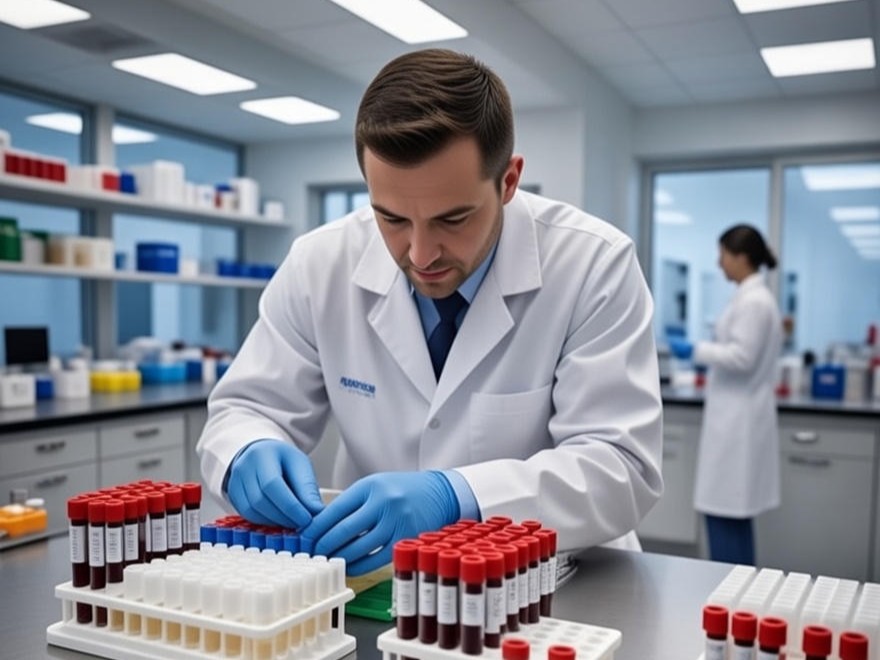
A Pathology Lab is a laboratory that is specifically used to analyze biological specimen (blood, tissue, urine and other body fluids), in order to diagnose diseases, follow-up treatments, research and assure product safety in the industry. Pathology laboratories are crucial in hospitals or diagnostic centers, research centers, pharmaceutical firms, and educational centers.
Key Functions of a Pathology Laboratory
- Disease Diagnosis: Diagnosis and confirmation of diseases using microscopies, molecular diseases, and biochemistry.
- Therapeutic Monitoring: Evaluating the response of the patient to treatments and modifying the treatments based on the response.
- Research: Investigating disease mechanisms, drug development, and epidemiological studies.
- Industrial Quality Control: Testing food, pharmaceuticals, and chemicals for safety and compliance.
- Education: Training students and professionals in laboratory techniques and scientific principles.
Planning Your Pathology Lab
1. Define Your Lab’s Purpose
- Medical Diagnostics: Specializes in testing of patients and clinical services.
- Research: Emphasize experimental protocols and advanced instrumentation.
- Industrial/Quality Control: Prioritize high-throughput screening and regulatory compliance.
- Educational: Support practical training and curriculum requirements.
2. Market Analysis and Business Plan
- Target Market: Identify your primary clients—hospitals, clinics, research organizations, or industry partners.
- Competitive Analysis: Evaluate local and regional competitors, and their services and prices.
- Regulatory Landscape: Understand licensing, accreditation, and compliance requirements (e.g., NABL, CAP, CLIA).
- Financial Projections: Estimate startup costs, operational expenses, and revenue streams.
3. Facility and Infrastructure
- Location: This is where an organization should locate the facilities to ensure easy access to clients and sample logistics.
- Space Planning: Assign spaces where sample may be received, processed, and analytical work done, storage and waste disposal.
- Utilities: Ensure reliable water supply, drainage, electricity (with backup), and ventilation.
- Sanitation: Cleaning materials used on the walls, ceilings, and floors should be easy to clean and bio-hazard-resistant.
- Security: Restrict access to authorized personnel only.
Essential Equipment and Instruments
A well-equipped pathology lab should have the following core instruments:
| Equipment | Purpose/Function |
|---|---|
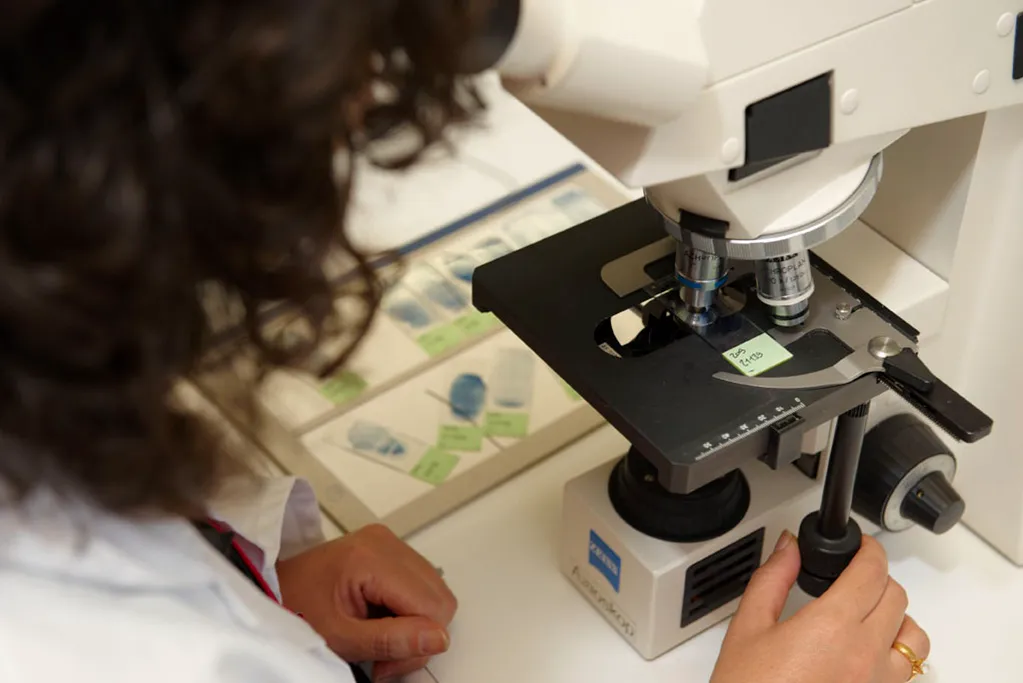
| Microscopes (light, fluorescence, electron) | Visualize cells and tissues |
| Centrifuges | Separate components based on density |
| Autoclaves | Sterilize equipment and media |
| Tissue Processors | Prepare tissue samples for analysis |
| Cryostats | Section frozen tissues |
| Incubators | Maintain optimal temperature for cultures/reactions |
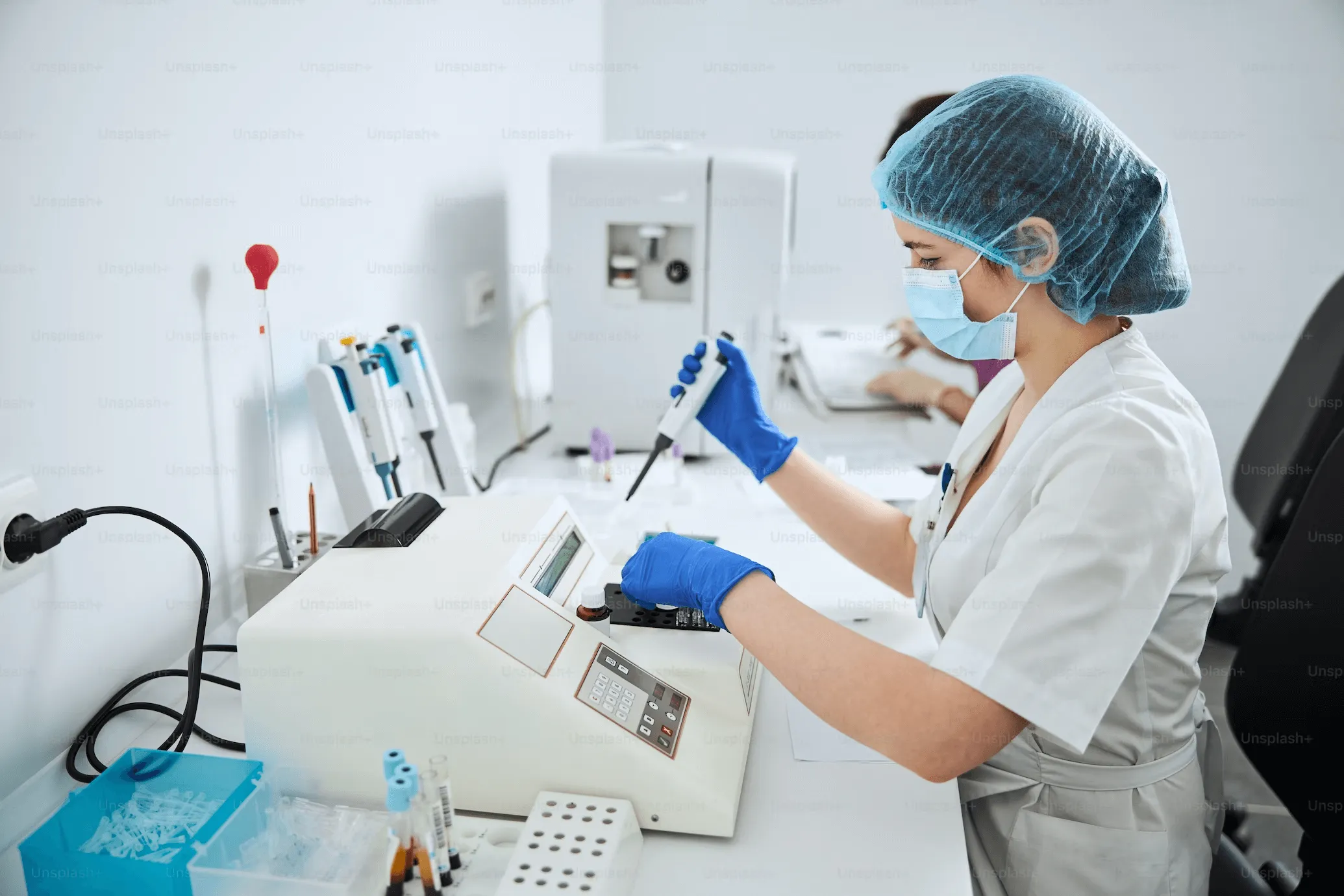
| Automated Analyzers | Perform biochemical, hematological, and immunological tests |
| Spectrophotometers | Quantify biomolecules by measuring light absorption |
| PCR Machines | Amplify DNA for genetic analysis |
| Flow Cytometers | Analyze cell populations |
| Microtomes | Slice thin tissue sections |
| Hematology Analyzers | Count and characterize blood cells |
| ELISA Readers | Measure antigen-antibody reactions |
| Refrigerators/Freezers | Store reagents and biological samples |
| pH Meters | Measure acidity/alkalinity of solutions |
| Biosafety Cabinets | Protect samples and personnel from contamination |
| Glassware & Consumables | Beakers, flasks, pipettes, slides, Petri dishes |
| Computer & Printer | Data management and reporting |
This list covers the primary requirements for most pathology labs and should be tailored to your lab’s specific focus (clinical, research, industrial, or educational)4567.
Laboratory Design and Workflow
Layout Considerations
- Reception and Waiting Area: For patient registration and sample drop-off.
- Sample Collection Room: Dedicated space for drawing blood and collecting other specimens.
- Pre-Analytical Section: Centrifugation, aliquoting, and sample preparation.
- Analytical Section: Houses major instruments and testing stations.
- Post-Analytical Section: Data analysis, result validation, and reporting.
- Storage: For samples, reagents, and hazardous materials.
- Waste Management: Dedicated area for safe disposal of biohazardous and chemical waste.
Workflow Optimization
- Unidirectional Flow: Ensure samples move in one direction to minimize cross-contamination.
- Zoning: Separate clean and contaminated areas.
- Automation: Implement Laboratory Information Management Systems (LIMS) for tracking and reporting.
- Space Requirements: Vary by lab size (small: 200–500 sq. ft., medium: 500–1000 sq. ft., large: 1000+ sq. ft.).
Staffing and Training
Key Personnel
- Lab Director/Manager: Oversees operations, compliance, and quality assurance.
- Pathologists: Interpret test results and supervise laboratory processes.
- Medical Laboratory Technologists: Perform routine and specialized analyses.
- Technical Assistants: Support sample processing and equipment maintenance.
- Administrative Staff: Handle billing, logistics, and customer service.
Training and Competency
- Initial Training: On SOPs, equipment use, and safety protocols.
- Ongoing Education: Updates on new technologies, quality standards, and regulatory changes.
- Competency Assessment: Regular evaluation to ensure proficiency and compliance.
Safety and Quality Assurance
Safety Measures
- Personal Protective Equipment (PPE): Lab coats, gloves, eye protection, and masks.
- Biosafety Cabinets: For handling infectious materials.
- Chemical Safety: Proper storage, labeling, and handling of reagents.
- Fire Safety: Extinguishers, alarms, and emergency exits.
- Waste Disposal: Segregation and safe disposal of biological and chemical waste.
- Biosafety Program: Written safety rules, regular training, and compliance audits.
Quality Control
- Internal QC: Regular calibration of instruments, use of control samples.
- External QC: Participation in proficiency testing programs.
- Documentation: Maintain detailed records of procedures, results, and incidents.
- Accreditation: Seek certification from recognized bodies (e.g., NABL, CAP, ISO).
Common Pathology Lab Tests
| Test Profile | Analytes Measured | Clinical Relevance |
|---|---|---|
| Hematology | CBC, ESR, Hemoglobin, Platelet count | Anemia, infections, clotting disorders |
| Biochemistry | Glucose, Lipids, Liver/Kidney function tests | Diabetes, organ health, metabolic status |
| Microbiology | Bacterial, viral, fungal cultures | Infectious disease diagnosis |
| Histopathology | Tissue biopsy analysis | Cancer, inflammatory diseases |
| Cytopathology | Pap smear, FNAC | Cancer screening, cytological diagnosis |
| Immunology | ANA, RF, CRP, Immunoglobulins | Autoimmune diseases, allergies |
| Molecular Pathology | PCR, RT-PCR, DNA sequencing | Genetic disorders, infectious diseases |
These tests form the backbone of clinical diagnosis and patient management.
Regulatory Compliance and Accreditation
- Licensing: Obtain necessary licenses from local and national authorities (e.g., State Government License in India, NABL, CLIA).
- Accreditation: Demonstrates adherence to international quality standards.
- Documentation: Maintain SOPs, equipment logs, and personnel records.
- Audit Readiness: Regular internal and external audits to ensure compliance.
Budgeting and Financial Planning
Startup Costs
- Infrastructure: Renovation, utilities, and security.
- Equipment: Purchase, installation, and calibration.
- Consumables: Reagents, glassware, PPE, and disposables.
- Staffing: Salaries, training, and benefits.
- Licensing and Accreditation: Application fees and inspection costs.
Operational Expenses
- Reagent and Consumable Replenishment
- Equipment Maintenance and Service Contracts
- Utilities (Electricity, Water, Internet)
- Waste Disposal Services
- Insurance (Liability, Fire, Theft)
Revenue Streams
- Diagnostic Testing Services
- Research Contracts and Grants
- Training and Educational Programs
- Consulting and Quality Assurance Services
Develop a detailed business plan with financial projections to attract investors and manage growth.
Marketing and Growth Strategies
- Digital Marketing: SEO-optimized website, social media, and online advertising.
- Partnerships: Collaborate with hospitals, clinics, and research organizations.
- Quality Differentiation: Emphasize accreditation, turnaround time, and advanced technology.
- Customer Service: Reliable reporting, transparent billing, and responsive support.
- Continuous Improvement: Invest in staff training, equipment upgrades, and new test offerings.
Trends and Innovations in Pathology
- Automation and Robotics: Increase throughput, reduce errors, and improve reproducibility.
- Point-of-Care Testing: Decentralized testing for rapid results.
- Molecular Diagnostics: PCR, next-generation sequencing, and genetic profiling.
- Artificial Intelligence: Data analysis, pattern recognition, and predictive diagnostics.
- Sustainable Practices: Green chemistry, energy-efficient equipment, and waste reduction.
Checklist for Setting Up a Pathology Lab
- Define lab purpose and scope
- Conduct market and competitor analysis
- Prepare a detailed business plan
- Secure funding and location
- Design lab layout and workflow
- Procure essential equipment and consumables
- Recruit and train qualified staff
- Implement safety and quality protocols
- Obtain necessary licenses and accreditations
- Launch marketing and outreach initiatives
Conclusion
Establishing a pathology laboratory is a complex but rewarding endeavor that blends science, business, and regulatory compliance. By following best practices in planning, infrastructure, equipment selection, staffing, safety, and quality assurance, you can build a lab that meets the needs of healthcare, research, industry, or education. Stay updated with technological advancements and regulatory changes to ensure your lab remains competitive and compliant.
Keywords Used
- pathology lab setup
- pathology lab equipment
- diagnostic laboratory business plan
- laboratory accreditation
- laboratory safety protocols
- pathology tests
- laboratory workflow
- laboratory quality control
- clinical diagnostics
- research laboratory
- laboratory automation
- laboratory compliance
- laboratory marketing strategies