
The Ultimate Guide for Professionals, Researchers, and Entrepreneurs
Introduction
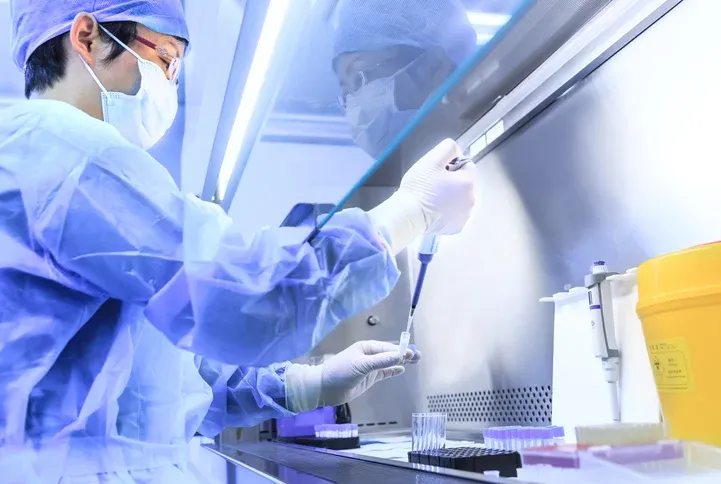
Infection control laboratory is a very important instrument in healthcare, research, industry and education. The aims of these labs are to prevent, detect, and control the outbreak of infectious agents to protect the health of the population and contribute to innovation. As a professional, researcher or business owner, to set up an infection control lab, you need to have a strategic plan, adherence to regulations, and a significant perception of technology, biosafety, and market demands. This is a complete manual on how to establish an infection control lab- it has included amiable keywords like infection control lab setup, infection control lab equipment, infection prevention laboratory business plan, and laboratory accreditation to ensure the best search results.

What is an Infection Control Lab?
An infection control laboratory is a special laboratory which involves the detection, tracking and preventing infectious diseases. These labs are critical in hospitals, government health sectors, research centres, pharmaceutical firms, food corporations and academic institutions. Their main purpose is to reduce the chances of infection spreading through strict testing, monitoring, and prevention of anti-epidemic actions.
Key Functions of an Infection Control Laboratory
- Disease Surveillance: Surveillance of pathogens and outbreaks in the healthcare and community environments.
- Infection Prevention: The protocols of sterilization, disinfection and biosafety developed and verified.
- Diagnostics: Rapid identification of infectious agents in clinical, industrial, or environmental samples.
- Research: Investigation of antimicrobial resistance, emerging pathogens, and infection control measures.
- Quality Control: Making sure that there are safety standards in healthcare, food, and pharmaceutical sectors.
- Education and Training: Operation of infection prevention and laboratory safety experience.
Planning Your Infection Control Lab
1. Define Your Lab’s Purpose
- Clinical Diagnostics: Focus on patient sample analysis and hospital infection surveillance.
- Research: Emphasize experimental protocols, antimicrobial resistance, and epidemiology.
- Industrial/Quality Control: Prioritize environmental monitoring and product safety.
- Educational: Support training in biosafety, infection control, and laboratory techniques.
2. Market Analysis and Business Plan
- Target Market: Hospitals, clinics, research organizations, public health bodies, industry partners, and educational institutions.
- Competitive Analysis: Evaluate the current competitive labs and their services and prices.
- Regulatory Landscape: Understand licensing, accreditation, and compliance requirements (e.g., NABL, CAP, CLIA, ISO 15189).
- Financial Projections: Find the estimate start-up cost, cost of operations and streams of revenue.
- Business Model: Define your service offerings, pricing strategy, and value proposition.
3. Facility and Infrastructure
- Location: Select a location that has easy access by clients and sample, which is not in public areas.
- Space Planning: Designate sample reception space, processing/analysis space, storage space and waste disposal space.
- Utilities: Ensure reliable water supply, drainage, electricity (with backup), and mechanical ventilation.
- Sanitation: Use materials for walls, ceilings, and floors that are easy to clean and resistant to chemicals and biohazards.
- Security: Restrict access to authorized personnel; use self-enclosing, lockable doors with biohazard signage.
Essential Equipment and Instruments
A well-equipped infection control lab should have the following core instruments:
| Equipment | Purpose/Function |
|---|---|
| Biosafety Cabinet (BSC) | Protects samples and personnel from airborne pathogens |
| Autoclave | Sterilizes equipment and media |
| Incubator | Maintains optimal temperature for cultures/reactions |
| Centrifuge | Separates components based on density |
| Analytical Balance | Precise weighing of samples and reagents |
| Spectrophotometer | Quantifies biomolecules by measuring light absorption |
| PCR Machine | Amplifies DNA/RNA for pathogen detection |
| ELISA Reader | Quantifies antigen-antibody reactions |
| Refrigerators/Freezers | Stores reagents and biological samples |
| Water Bath | Maintains constant temperature for reactions |
| Vortex Mixer | Mixes solutions quickly and efficiently |
| Micro Pipettes | Accurate liquid handling |
| Handwashing Stations | Ensures hand hygiene at all workstations |
| Eyewash Station | Emergency decontamination after exposure |
| Fume Hood | Handles volatile chemicals safely |
| PPE (Gloves, Masks, Gowns, Eye Protection) | Protects staff from exposure |
| Computer & Printer | Data management and reporting |
| Glassware & Consumables | Beakers, flasks, pipettes, slides, Petri dishes |
Tailor this list to your lab’s specific focus (clinical, research, industrial, or educational).
Laboratory Design and Workflow
Layout Considerations
- Reception and Accessioning Area: For sample registration and drop-off.
- Sample Processing Room: For centrifugation, aliquoting, and preparation.
- Analytical Section: Houses major instruments and testing stations.
- Biosafety Area: Equipped with biosafety cabinets and PPE for handling infectious materials.
- Decontamination Room: For sterilization and cleaning of equipment and glassware.
- Storage: For samples, reagents, PPE, and hazardous materials.
- Waste Management: Safe disposal of biohazardous and chemical waste.
- Administrative Office: For documentation, billing, and communication.
Workflow Optimization
- Unidirectional Flow: Ensure samples move in one direction to minimize cross-contamination.
- Zoning: Separate clean and contaminated areas.
- Automation: Implement Laboratory Information Management Systems (LIMS) for tracking and reporting.
- Ventilation: Mechanical ventilation with inward airflow; avoid recirculation to public spaces.
Staffing and Training
Key Personnel
- Lab Director/Manager: Oversees operations, compliance, and quality assurance.
- Infection Control Officers/Microbiologists: Design and interpret tests, supervise biosafety.
- Medical Laboratory Technologists: Perform routine and specialized analyses.
- Technical Assistants: Support sample processing and equipment maintenance.
- Administrative Staff: Handle billing, logistics, and customer service.
Training and Competency
- Initial Training: On SOPs, equipment use, biosafety, and infection control protocols.
- Ongoing Education: Updates on new technologies, quality standards, and regulatory changes.
- Competency Assessment: Regular evaluation to ensure proficiency and compliance.
Safety and Quality Assurance
Safety Measures
- Personal Protective Equipment (PPE): Lab coats, gloves, masks, eye protection, and face shields.
- Biosafety Cabinets: For handling infectious materials and procedures that generate aerosols.
- Hand Hygiene: Dedicated handwashing stations within 25 feet of all work areas; foot, elbow, or automatically operated sinks.
- Chemical Safety: Proper storage, labeling, and handling of reagents.
- Fire Safety: Extinguishers, alarms, and emergency exits.
- Waste Disposal: Segregation and safe disposal of biological and chemical waste.
- Universal Precautions: Treat all specimens as potentially infectious.
- Decontamination: Clean work areas before and after use with appropriate disinfectants.
- Emergency Procedures: Eyewash stations, spill kits, and clear protocols for exposures.
Quality Control
- Internal QC: Regular calibration of instruments, use of control samples.
- External QC: Participation in proficiency testing programs.
- Documentation: Maintain detailed records of procedures, results, and incidents.
- Accreditation: Seek certification from recognized bodies (e.g., NABL, CAP, ISO 15189).
Common Infection Control Lab Services
| Service Type | Description | Clinical/Industrial Relevance |
|---|---|---|
| Pathogen Detection | Rapid identification of bacteria, viruses, fungi | Disease diagnosis, outbreak control |
| Antimicrobial Resistance Testing | Determines resistance profiles | Guides therapy, monitors resistance trends |
| Environmental Monitoring | Air, water, and surface sampling | Hospital, industrial, and food safety |
| Sterilization Validation | Tests efficacy of sterilization/disinfection | Compliance in healthcare and industry |
| Outbreak Investigation | Epidemiological tracking and analysis | Public health response |
| Surveillance Cultures | Routine screening of high-risk areas | Infection prevention in healthcare |
| Training and Auditing | Staff education and compliance checks | Regulatory and accreditation requirements |
Regulatory Compliance and Accreditation
- Licensing: Obtain necessary licenses from local and national authorities (e.g., NABL in India, CLIA, ISO 15189).
- Accreditation: Demonstrates adherence to international quality standards.
- Quality Management System: Implement SOPs, equipment logs, and personnel records.
- Audit Readiness: Regular internal and external audits to ensure compliance.
- Data Security: Ensure patient and research data are securely stored and privacy is maintained
Budgeting and Financial Planning
Startup Costs
- Infrastructure: Renovation, utilities, and security.
- Equipment: Purchase, installation, and calibration.
- Consumables: Reagents, glassware, PPE, and disposables.
- Staffing: Salaries, training, and benefits.
- Licensing and Accreditation: Application fees and inspection costs.
Operational Expenses
- Reagent and Consumable Replenishment
- Equipment Maintenance and Service Contracts
- Utilities (Electricity, Water, Internet)
- Waste Disposal Services
- Insurance (Liability, Fire, Theft)
Revenue Streams
- Diagnostic Testing Services
- Research Contracts and Grants
- Training and Educational Programs
- Consulting and Quality Assurance Services
Develop a detailed business plan with financial projections to attract investors and manage growth.
Marketing and Growth Strategies
- Digital Marketing: optimized website, social media, and online advertising.
- Partnerships: Collaborate with hospitals, clinics, and research organizations.
- Quality Differentiation: Emphasize accreditation, turnaround time, and advanced technology.
- Customer Service: Reliable reporting, transparent billing, and responsive support.
- Continuous Improvement: Invest in staff training, equipment upgrades, and new test offerings.
Trends and Innovations in Infection Control
- Automation and Robotics: Increase throughput, reduce errors, and improve reproducibility.
- Point-of-Care Testing: Decentralized, rapid testing for clinical and field use.
- Digital Surveillance: Integration of real-time data analytics and reporting.
- Artificial Intelligence: Advanced data analysis, outbreak prediction, and pattern recognition.
- Sustainable Practices: Green chemistry, energy-efficient equipment, and waste reduction.
Checklist for Setting Up an Infection Control Lab
- Define lab purpose and scope
- Conduct market and competitor analysis
- Prepare a detailed business plan
- Secure funding and location
- Design lab layout and workflow
- Procure essential equipment and consumables
- Recruit and train qualified staff
- Implement safety and quality protocols
- Obtain necessary licenses and accreditations
- Launch marketing and outreach initiatives
Conclusion
Establishing an infection control laboratory is a complex but rewarding endeavor that blends science, business, and regulatory compliance. By following best practices in planning, infrastructure, equipment selection, staffing, safety, and quality assurance, you can build a lab that meets the needs of healthcare, research, industry, or education. Stay updated with technological advancements and regulatory changes to ensure your lab remains competitive and compliant.
Keywords Used
- infection control lab setup
- infection control lab equipment
- infection prevention laboratory business plan
- laboratory accreditation
- laboratory safety protocols
- infection control tests
- laboratory workflow
- laboratory quality control
- clinical diagnostics
- research laboratory
- laboratory automation
- laboratory compliance
- laboratory marketing strategies